Before You Buy: What Makes a Great Vacation Rental Investment?
A successful vacation rental investment starts long before the first guest checks in. From choosing the right location to understanding operating costs and g…
Oct 2026

A full booking calendar might look like success, but occupancy alone doesn't tell the whole story. For vacation rental owners in Northeast Florida, maximizin…
A full booking calendar might look like success, but occupancy alone doesn't tell the whole story. For vacation rental owners in Northeast Florida, maximizing revenue requires more than keeping nights booked. It takes strategic pricing, effective marketing, thoughtful property care, and an understanding of what drives long-term profitability.
Whether you own a vacation rental in Jacksonville Beach, Ponte Vedra, St. Augustine, or Amelia Island, understanding the difference between occupancy and profitability can help you make smarter decisions about your investment.
Not necessarily. While occupancy measures how often a property is booked, it doesn't account for how much guests pay per night or how much it costs to operate the rental.
Consider two similar vacation rentals:
Property A: Books 27 nights at an average nightly rate of $175, generating $4,725 in rental revenue.
Property B: Books 22 nights at an average nightly rate of $250, generating $5,500 in rental revenue.
Despite having five fewer booked nights, Property B generates $775 more in rental revenue.
This is why successful vacation rental management requires balancing occupancy with average daily rate (ADR), revenue per available rental night, and operating expenses.
The goal isn't simply to fill the calendar. It's to make each booking count.
Even properties with consistent bookings can have opportunities to improve performance.
Vacation rental demand fluctuates throughout the year, especially in Northeast Florida.
Events, holidays, seasonal travel patterns, and last-minute booking trends can all influence what guests are willing to pay.
Using the same nightly rates week after week may mean missing opportunities to earn more during high-demand periods or attract bookings during slower seasons.
A strategic pricing approach considers:
Seasonal demand and booking trends
Local events and holidays
Comparable rental performance
Booking lead times
Available inventory and market conditions
Dynamic pricing can help owners respond to changing demand rather than relying on a fixed nightly rate.
Listing a property on Airbnb or Vrbo is a starting point, but it shouldn't necessarily be the entire marketing strategy.
A broader distribution strategy can help properties reach travelers through multiple channels, including direct booking websites.
For vacation rental owners, this creates additional opportunities to attract guests, build repeat business, and reduce reliance on a single platform.
At ThirtyNorth, marketing goes beyond simply publishing a listing. Our approach includes professional property presentation, booking platform distribution, direct booking opportunities, and ongoing marketing efforts designed to connect homes with the right guests.
Guests have plenty of options when booking a vacation rental.
Professional photography, compelling listing descriptions, attractive interiors, and well-maintained amenities can all influence whether someone chooses your property over another.
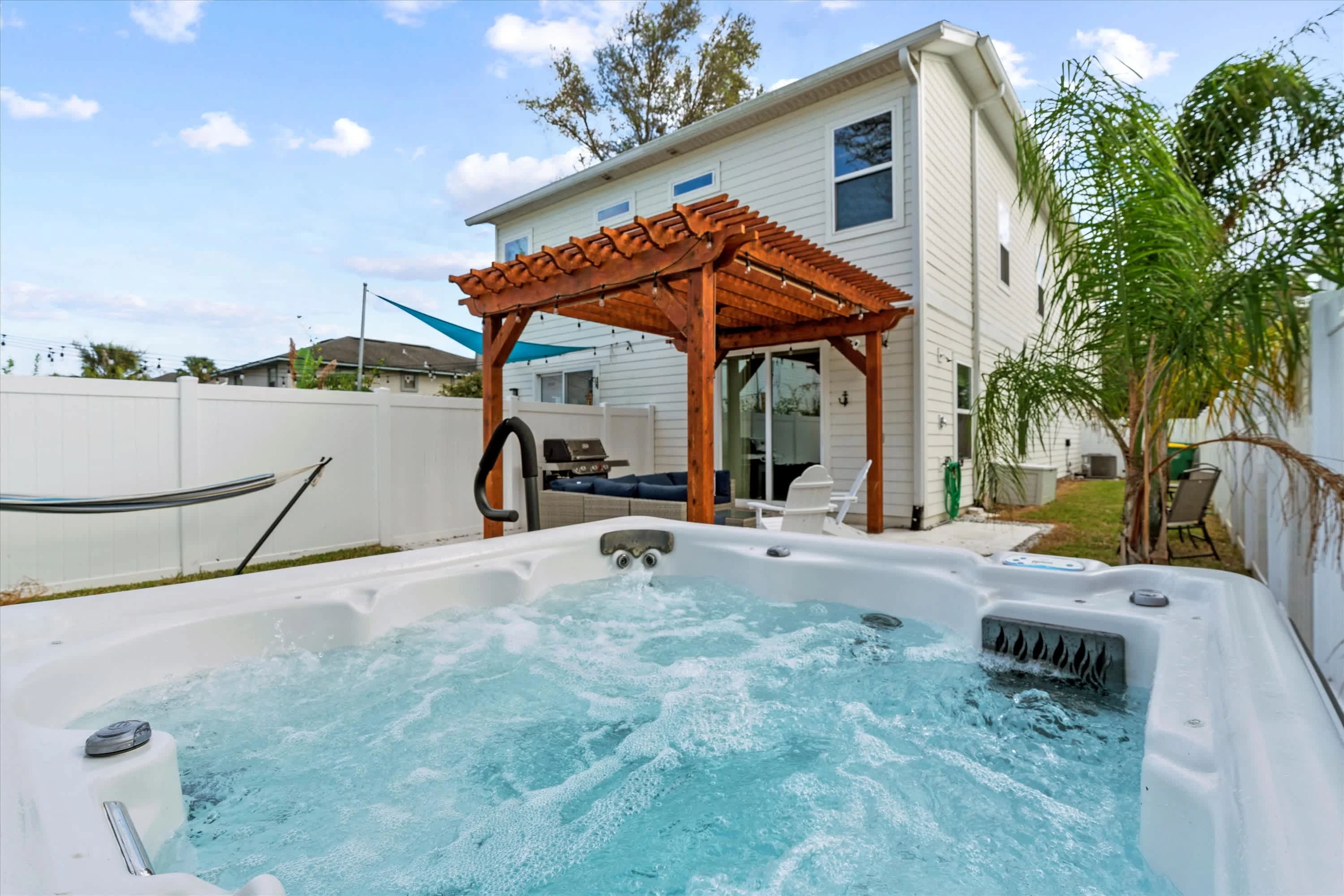
A home with a beautiful outdoor space, thoughtfully furnished living areas, or standout amenities may have the potential to attract greater interest when those features are presented effectively.
Sometimes, improving performance isn't about making major renovations. It's about recognizing and highlighting what makes a property worth booking.
Revenue is important, but it doesn't tell owners how much they're actually keeping.
Cleaning expenses, maintenance, utilities, supplies, management fees, and other operating costs all affect profitability.
For example, a strategy that increases bookings but also increases turnover costs may not produce the improvement in net income an owner expects.
Tracking operating expenses alongside rental revenue helps owners understand how their property is performing financially.
Vacation rental management involves much more than responding to guest messages and coordinating cleanings.
Preventative maintenance, revenue monitoring, listing improvements, guest feedback, and property inspections all play a role in protecting the guest experience and the investment itself.
Without a proactive strategy, owners may find themselves constantly addressing immediate needs rather than identifying opportunities for improvement.
To understand whether a vacation rental is performing well, owners should look beyond total bookings.
Occupancy Rate: The percentage of available rental nights that are booked.
Average Daily Rate (ADR): Average rental revenue earned per booked night.
Revenue Per Available Rental Night (RevPAR): Rental revenue divided by available rental nights. This metric helps evaluate occupancy and pricing together.
Gross Rental Revenue: Total rental revenue generated before operating expenses.
Net Operating Income (NOI): Property operating income remaining after applicable operating expenses, before financing costs and income taxes.
Guest Reviews and Repeat Bookings: Indicators of guest satisfaction that may influence future booking demand.
Evaluating these metrics together provides a more complete picture of a property's performance than occupancy alone.
Professional vacation rental management brings together several functions that directly influence property performance.
An experienced management team can help owners establish competitive pricing strategies, improve listing visibility, coordinate property operations, maintain guest satisfaction, and monitor financial performance.
Just as importantly, local market knowledge matters.
Travel demand in St. Augustine can look different from demand in Jacksonville Beach or Amelia Island. A strategy that works for a beachfront condo may not be the right approach for a historic downtown home or a large group rental.
Understanding these differences helps inform pricing, marketing, and property positioning.
At ThirtyNorth, we believe every property deserves a strategy that reflects its location, features, and potential.
With local teams serving Jacksonville, Jacksonville Beach, Ponte Vedra, St. Augustine, and Amelia Island, we combine hands-on property management with strategic marketing and revenue-focused decision-making.
Our services include:
Revenue Management: Pricing strategies informed by market demand and property performance.
Marketing & Distribution: Professional listings, booking platform exposure, and direct booking opportunities.
Guest Communication: Support throughout the guest experience, from inquiries to checkout.
Property Care: Cleaning coordination, maintenance oversight, and ongoing attention to property condition.
Owner Communication: Reporting and updates that help owners stay informed about their investment.
Flexible Management Options: Full-service and hybrid management approaches designed for different owner needs.
Our goal is to help owners make informed decisions, improve property performance, and enjoy a more hands-off ownership experience.
There is no universal ideal occupancy rate. A strong rate depends on the property's location, seasonality, nightly pricing, operating costs, and local market conditions. Owners should evaluate occupancy alongside ADR, RevPAR, and net income rather than targeting occupancy alone.
The best approach is typically a balance of both. Higher nightly rates can improve revenue per booking, while competitive pricing can help maintain demand. The right strategy aims to maximize overall revenue and profitability, not simply one metric.
Yes. A property can generate more rental revenue with fewer booked nights if its average nightly rate increases enough to offset the difference in occupancy. However, owners should also consider operating expenses to determine whether net income improves.
Vacation rental pricing should be reviewed regularly and adjusted when market conditions warrant it. Demand, local events, seasonality, booking pace, and competitor availability can all influence pricing decisions.
Professional management may be worthwhile for owners who want help with revenue strategy, marketing, guest services, and day-to-day operations. The value depends on the property's performance, management costs, services provided, and the owner's goals.
A booked calendar is a good sign, but it isn't the only measure of success.
If you're unsure whether your vacation rental is performing as well as it could, it may be time to take a closer look at your pricing, marketing, operating expenses, and overall management strategy.
At ThirtyNorth, we help Northeast Florida vacation rental owners look beyond occupancy and focus on the bigger picture.
Ready to explore what's possible for your property?
Visit stay30n.com to learn more about our vacation rental management services and connect with our team.
A successful vacation rental investment starts long before the first guest checks in. From choosing the right location to understanding operating costs and g…
Oct 2026
When a vacation rental is running smoothly, it can look surprisingly simple from the outside. A guest books. They arrive to a clean home. They enjoy their sta…
Sep 2026
Owning a great vacation rental isn’t just about having a great location anymore. Guests have more options, more information, and higher expectations than ever…
Sep 2026