Northeast Florida has plenty to offer vacationers, from the beaches of Jacksonville and Ponte Vedra to the historic streets of St. Augustine and the coastal charm of Amelia Island. For real estate investors, these destinations also present opportunities to enter or expand within the short-term rental market.
But purchasing a property in a popular vacation destination doesn't automatically make it a successful investment.
Location, property features, operating expenses, local regulations, and management strategy all play a role in determining long-term performance.
Whether you're considering your first vacation rental or looking to grow an existing portfolio, understanding what makes a property competitive is an important first step.
Location Matters, but It's Not the Whole Picture
When evaluating a potential short-term rental, location is often the first consideration.
Northeast Florida offers several distinct markets, each attracting different types of travelers.
St. Augustine: Known for its historic downtown, beaches, restaurants, and year-round events, St. Augustine attracts couples, families, and visitors looking for a mix of history and coastal experiences.
Jacksonville Beach: With beach access, restaurants, entertainment, and proximity to Jacksonville, this market appeals to weekend travelers, families, and groups.
Ponte Vedra Beach: Known for golf, beaches, and upscale coastal experiences, Ponte Vedra can attract travelers seeking premium accommodations.
Amelia Island and Fernandina Beach: These destinations offer a combination of beach vacations, historic charm, and a more relaxed coastal atmosphere.
Palm Coast: With access to beaches, golf courses, and outdoor recreation, Palm Coast offers another option for investors evaluating the broader Northeast Florida market.
Each market has different demand patterns, property prices, guest expectations, and operating considerations.
Even within the same city, two properties located just a few miles apart can perform very differently.
That's why understanding the immediate neighborhood, nearby attractions, accessibility, and comparable rental inventory is just as important as selecting the right city.
Look Beyond the Purchase Price
A property's purchase price is only one part of the investment equation.
Before making an offer, investors should develop a realistic picture of what it will cost to acquire, prepare, and operate the property.
Important expenses may include:
Down payment and closing costs
Furnishings, decor, and initial setup
Renovations or property improvements
Insurance and property taxes
Utilities and internet
Cleaning and maintenance
Property management fees
Booking platform and software fees
Ongoing repairs and replacement reserves
For coastal properties, additional considerations may include storm preparedness, flood exposure, insurance costs, and maintenance related to humidity and salt air.
A property with a lower purchase price isn't necessarily the more profitable investment if it requires extensive improvements or carries higher operating expenses.
Investor Tip: Evaluate the total cost of getting a property guest-ready, not just the amount needed to purchase it.
Understand What Drives Bookings
Not all vacation rentals appeal to the same travelers.
The features that make a property competitive often depend on its location, size, and target audience.
For example, a large beach home designed for family vacations may benefit from a private pool, multiple gathering spaces, and flexible sleeping arrangements.
A smaller downtown St. Augustine rental may attract guests because of its walkability, character, and proximity to restaurants and attractions.
Common features worth evaluating include:
Convenient beach or downtown access
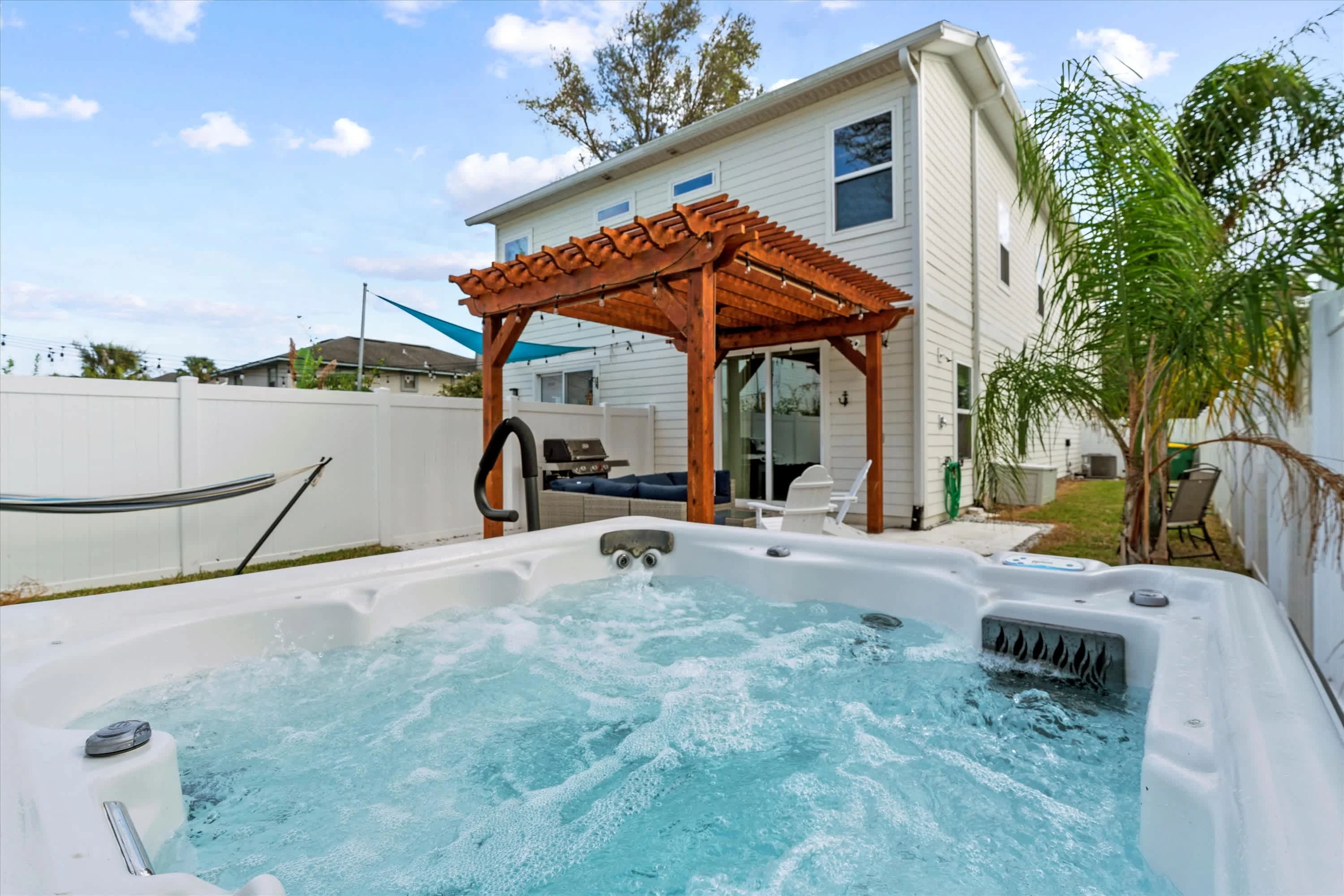
Private pools, hot tubs, or outdoor gathering spaces
Comfortable bedrooms and functional layouts
Adequate parking
Updated kitchens and bathrooms
Reliable Wi-Fi and work-friendly spaces
Attractive interiors and professional photography
However, adding amenities doesn't guarantee increased revenue.
Investors should compare similar properties in the immediate market to understand which features guests value and whether the potential revenue justifies the investment.
Revenue Projections Should Be Realistic
One of the biggest mistakes investors can make is evaluating a short-term rental based solely on its potential peak-season revenue.
Vacation rental performance fluctuates throughout the year.
Seasonality, local events, competition, booking windows, and economic conditions can all influence occupancy and nightly rates.
A property may command premium rates during holidays or major events while experiencing lower demand during slower periods.
Before purchasing, investors should evaluate several key performance indicators.
Average Daily Rate (ADR)
ADR measures the average rental revenue earned per booked night.
While a higher ADR can be attractive, it doesn't necessarily indicate stronger overall performance if the property experiences low occupancy.
Occupancy Rate
Occupancy measures the percentage of available nights booked during a given period.
Strong occupancy can support consistent revenue, but discounting too heavily to fill the calendar may reduce profitability.
Revenue per Available Rental Night (RevPAR)
RevPAR combines occupancy and average daily rate to provide a broader view of rental revenue performance.
Net Operating Income
Gross booking revenue is only the starting point.
Investors should also calculate expected operating expenses to understand how much income the property may generate before financing costs and taxes.
Evaluating these metrics together can provide a more complete picture of an investment's potential.
Don't Overlook Local Regulations
Before purchasing a property for short-term rental use, investors should verify that their intended operations are permitted.
Rules can vary significantly between cities, counties, neighborhoods, and condominium or homeowners associations.
Depending on the property, requirements may involve registration, licensing, taxes, zoning, occupancy limits, parking, and safety standards.
Investors should also review any applicable deed restrictions or association rules.
A property being advertised as a vacation rental doesn't necessarily mean its current use is permitted or transferable to a new owner.
Before closing, confirm the property's short-term rental eligibility with the appropriate local authorities and governing associations.
Design With the Guest Experience in Mind
Successful short-term rental design goes beyond choosing attractive furniture.
The goal is to create a space that photographs well, functions efficiently, and meets the expectations of the property's target guests.
Thoughtful design can help differentiate a rental in a competitive market.
That might mean creating a comfortable outdoor entertainment area, maximizing sleeping arrangements without overcrowding, or choosing durable furnishings that can withstand frequent guest turnover.
For investors purchasing properties that need improvements, planning design and renovation work before launch can help create a more cohesive guest experience.
At ThirtyNorth, we understand how design decisions and day-to-day operations work together. Our team considers both the guest experience and the practical needs of maintaining a rental property.
Property Management Is Part of the Investment Strategy
A successful short-term rental requires more than a great location and an attractive listing.
Pricing, marketing, guest communication, cleaning, inspections, and maintenance all contribute to the property's overall performance.
For investors who don't live nearby—or who want to grow beyond a single property—managing these responsibilities can become increasingly challenging.
Working with a local property management team can provide operational support and valuable market insight.
At ThirtyNorth, our team lives and works in the communities we serve. We understand the differences between Northeast Florida's coastal markets because we're part of them.
Through our family of brands, including Joseph Ellen Properties and Ancient City Hideaways, we bring together local experience, property care, marketing, and revenue management to support vacation rental owners.
Our management options are designed to accommodate different levels of owner involvement, from full-service management to hybrid solutions.
Think Long-Term, Not Just About the First Year
Short-term rental investing is a long-term decision.
While first-year revenue projections are important, investors should also consider how a property will perform and hold its value over time.
Questions worth asking include:
Will the property remain competitive as new rentals enter the market?
What major maintenance or replacement expenses may arise?
Does the layout appeal to a broad range of guests?
Can the property accommodate future upgrades?
How might changes in insurance, taxes, or local regulations affect expenses?
Does the investment align with your long-term financial goals?
A thoughtful acquisition strategy considers not only what a property could earn today, but also what it may cost to maintain and operate in the years ahead.
Invest With Local Insight
Northeast Florida offers a diverse range of vacation rental markets, but identifying the right investment requires more than choosing a desirable destination.
Understanding local demand, evaluating property features, estimating expenses, and developing a strong management strategy can help investors make more informed decisions.
Whether you're exploring your first short-term rental or expanding your portfolio, having the right local resources can make the process easier to navigate.
At ThirtyNorth, we work with property owners and investors throughout Northeast Florida, combining local knowledge with hands-on management, revenue strategies, and design expertise.
Considering a short-term rental investment in Northeast Florida?
Connect with our team to discuss your goals, explore management options, and learn how ThirtyNorth can support your investment.
Explore ThirtyNorth Property Management
Disclaimer: This article is intended for educational purposes only and does not constitute financial, legal, or investment advice. Short-term rental performance varies by property, market conditions, and operating strategy. Investors should conduct independent due diligence and consult qualified professionals before purchasing an investment property.