Property Management · 5 min
What Today’s Vacation Rental Guests Are Actually Looking For — And What Owners Should Do About It
· Sep 2026
The places worth knowing about aren't always the ones at the top of the search results. Here are the First Coast spots that locals protect — and that we're willing to share.
30North Editorial
Destinations Team
Every destination has a publicly traded version of itself — the places on every itinerary, the restaurants reviewed a thousand times, the photo spots tagged into exhaustion. The First Coast's version is good. But what's below it is better.
Anastasia State Park, two miles south of the St. Augustine historic district, is the most underutilized natural asset on the northern Atlantic coast of Florida. The park encompasses ancient coquina rock outcroppings, tidal creeks, and 1,600 acres of coastal scrub — plus four miles of beach that receives a fraction of the foot traffic of the public beaches north of it.
The kayak launch at the Salt Run is the right way to spend a morning in St. Augustine that isn't in the historic district. Salt Run is a shallow tidal lagoon between the barrier island and the mainland — protected water, abundant wading birds, and a view of the lighthouse that the postcard shots don't capture. Rentals are available at the park entrance.
Guana River State Park sits between Ponte Vedra Beach and St. Augustine and is largely unknown to visitors. It encompasses 2,400 acres of coastal habitat including the second-largest natural lake in Florida. The beach on the ocean side is wild and receives almost no casual traffic. Drive south from the Ponte Vedra Beach access points and the landscape shifts quickly from manicured to genuinely untouched.
The birding at Guana is exceptional from September through April. The tidal marshes on the river side of the park hold roseate spoonbills in winter — a bird so implausibly pink it makes first-time observers question what they're looking at.
The Castillo de San Marcos is on every tourist itinerary, but the version most people see is the late-morning one — gates open, crowds building, rangers stationed. The version worth experiencing arrives at opening, when the fort is occupied only by the moat egrets and the low Atlantic light catches the coquina walls at an angle that the afternoon never reproduces. Thirty minutes at dawn is worth more than two hours at noon.
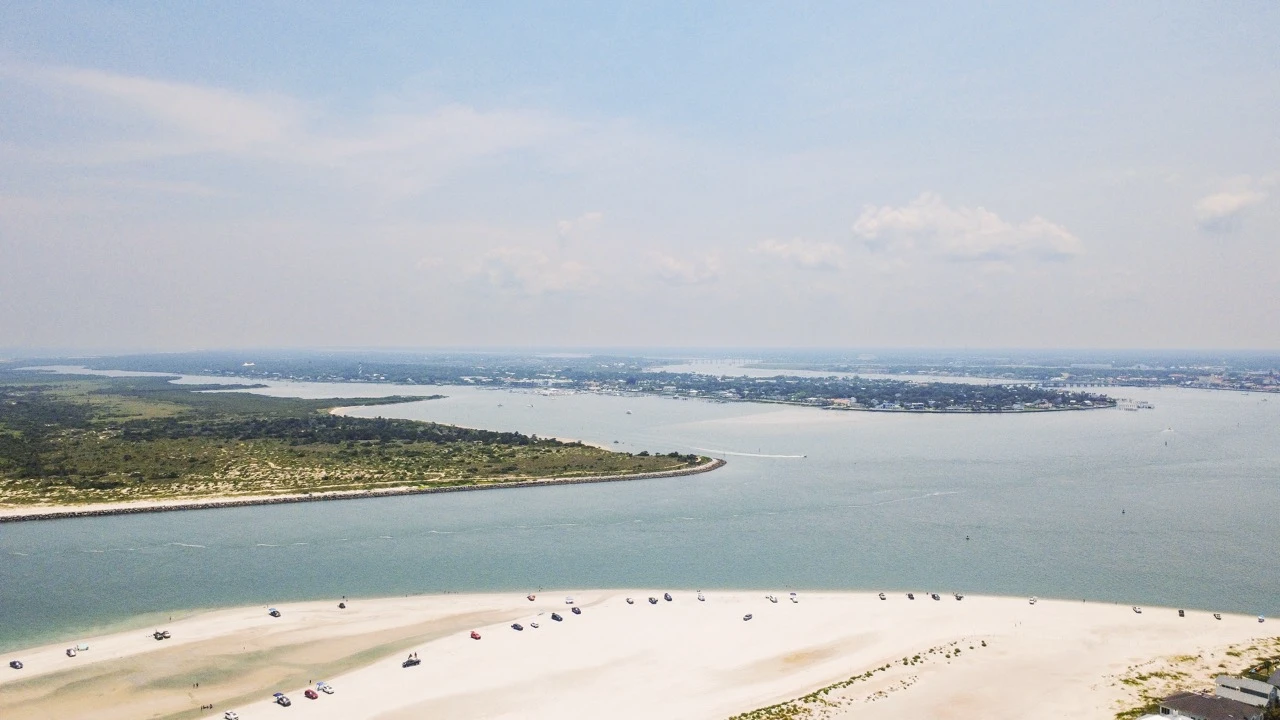
Vilano Beach is the barrier island north of St. Augustine's historic district, separated by the Tolomato River. It has no pier, no chain restaurants, and no large resorts — just a fishing village that became a beach community and retained the character of both. The fish houses at the Vilano boat ramp sell directly to individuals. The taco stand on the main beach road is the best lunch within ten miles of downtown St. Augustine.
Fort Clinch State Park at the northern tip of Amelia Island is the kind of place that requires a drive to reach and rewards the effort significantly. The fort itself is one of the best-preserved examples of 19th-century coastal fortification in the Southeast. The beach north of the fort — accessible through the park — faces both the Atlantic and the Cumberland Sound, creating a point where two bodies of water meet and the wildlife concentrates accordingly. Dolphin sightings are common. The shelling is reliable.
More from the Journal
Property Management · 5 min
· Sep 2026