Property Management · 5 min
What Today’s Vacation Rental Guests Are Actually Looking For — And What Owners Should Do About It
· Sep 2026
From the wide, uncrowded sands of Fernandina Beach to the historic shoreline of St. Augustine, the First Coast packs more variety into its 130 miles than most regions deliver in five times the distance.
30North Editorial
Destinations Team
Northeast Florida's Atlantic coastline runs from the Georgia border south past Daytona, but the stretch locals call the First Coast — from Amelia Island to St. Augustine Beach — is where the geography and the culture align in ways that reward repeat visits.
Start at the northern end. Amelia Island's 13 miles of barrier island beach are among the most underdeveloped on Florida's Atlantic side, and that restraint is worth something. Main Beach Park in Fernandina Beach has wide, firm sand that accommodates both families with wagons of gear and solo walkers who want a quiet hour at dawn. The surf is mild, the crowds are manageable even in July, and the Victorian downtown is within walking distance of the shore — an unusual combination anywhere on the coast.
For something more secluded, park at the south end of the island near Amelia Island State Park and walk. The crowds thin quickly. The shelling is genuinely good, particularly in the hour after a storm.
The Beaches — as residents collectively call Jacksonville Beach, Neptune Beach, and Atlantic Beach — form a continuous 20-mile stretch with distinct personalities. Jacksonville Beach is the most developed and most animated: a pier, surf shops, and the kind of casual energy that suits a weekend crowd. Neptune Beach is the neighborhood version — quieter, residential, with a main street a block from the water that has excellent coffee and good restaurants. Atlantic Beach skews toward a surf-and-yoga demographic that values its proximity to the city without wanting to feel it.
All three share a wide, hard-packed beach that handles bicycles, joggers, and long morning walks equally well.
Ponte Vedra Beach is where the geography of coastal Northeast Florida reaches something close to perfection. The beach is wide, relatively uncrowded, and backed by upscale homes and resort hotels rather than high-rises. The surf break at the south end, near the Guana River preserve, draws consistent swells and relatively light crowds. Access points can be limited without a resort key card, but the county beach access points near J. Turner Butler Boulevard are public and typically uncrowded by 8am.
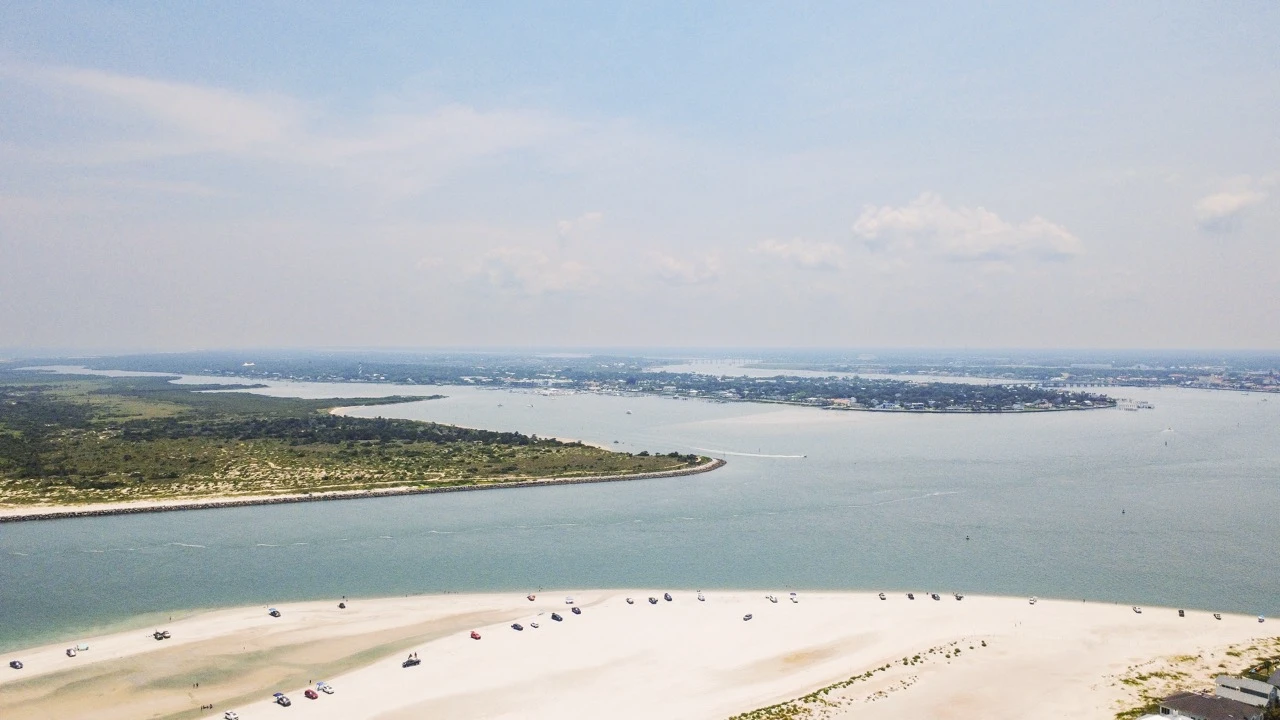
St. Augustine Beach sits just south of the historic district and has a personality distinct from both. St. Johns County Pier is the anchor — a free public pier with fishing access and a view south toward Matanzas Inlet that rewards any morning. The beach widens considerably south of the pier, and the high-tide line is clean. Families with young children tend toward the northern access points; those looking for a longer, quieter walk should head south of Butler Beach toward Crescent Beach.
October and May are the months the locals protect. Water temperatures are comfortable, the summer crowds are gone or not yet arrived, and the light on the dunes has the quality that makes photographers set alarms. Summer is fine — the beaches are wide enough to absorb the volume — but the Atlantic coast of Florida is meaningfully better in shoulder season than its Gulf counterpart, and that advantage compounds in the fall.
More from the Journal
Property Management · 5 min
· Sep 2026